 |
Photographer:
R. Scott Lewis
Submitter: ACCO
Engineered Systems, Glendale, Calif.
|
Will anyone ever forget
the images of the Chinook helicopters target-bombing sandbags
into the breached New Orleans canals? Or the sight of $3 a gallon
posted above the pump at the gas station? It isnt likely
that anyone could forget because they are the indelible images
from 2005. There are others, too, that will take their place
in the American picture album for that this year.
We often think and remember pictorially,
storing memories and emotions in our mental photofiles. For
example, we may think of environmentally sound buildings by
remembering the increasingly popular LEED checklist with scores;
the revival of coal-fired powerplants via the image of Wisconsin
Public Service Corp.s mighty Weston project; or the
passage of the $286-billion federal transportation bill, approved
after an unforgivable 22- month delay, tied by habit to the
image of the Capitol in Washington, D.C. Except for a war
that has taken too many lives and a series of natural disasters,
2005 was a relatively good year. Its last-ing picture is one
of hard work, creativity and enterprise in the industry.
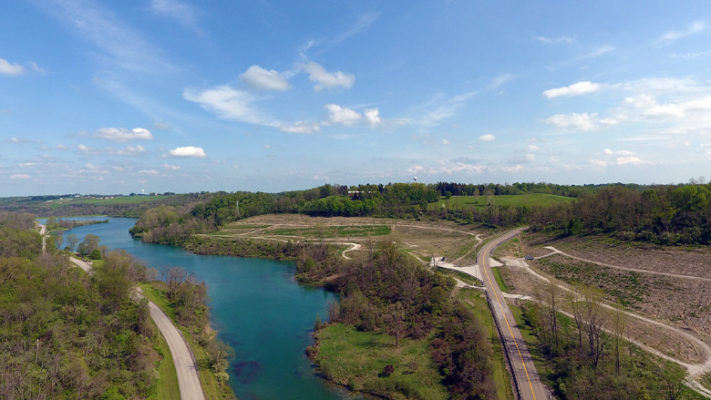
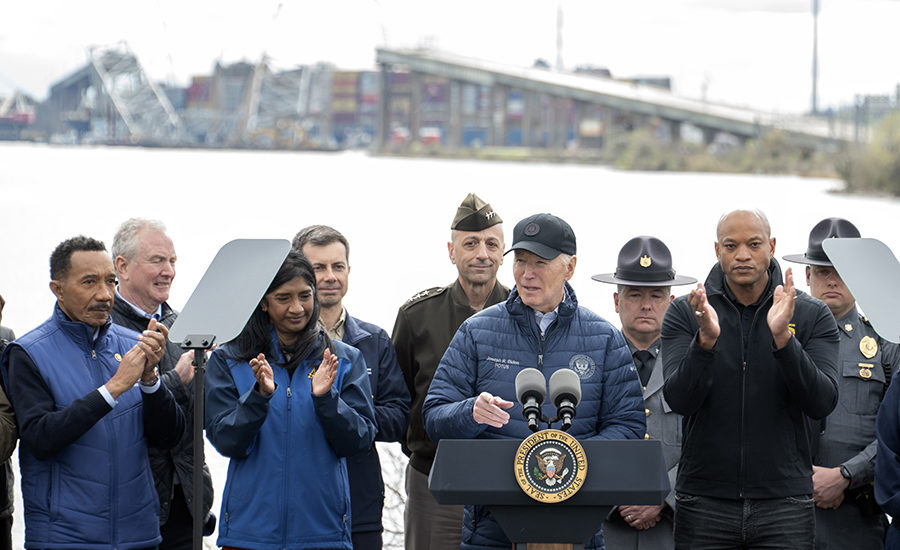
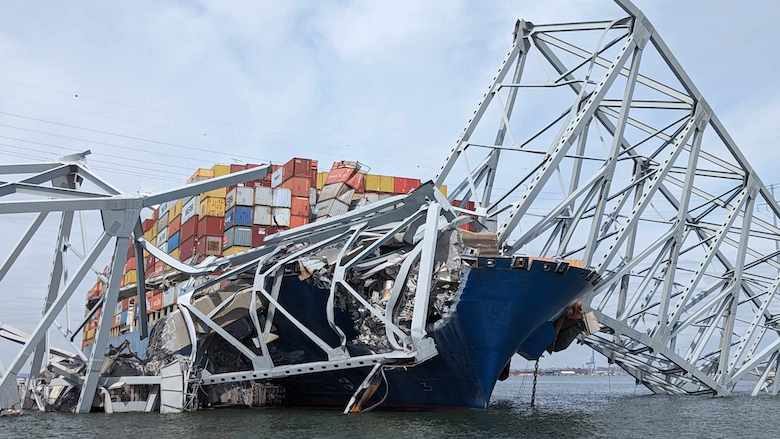
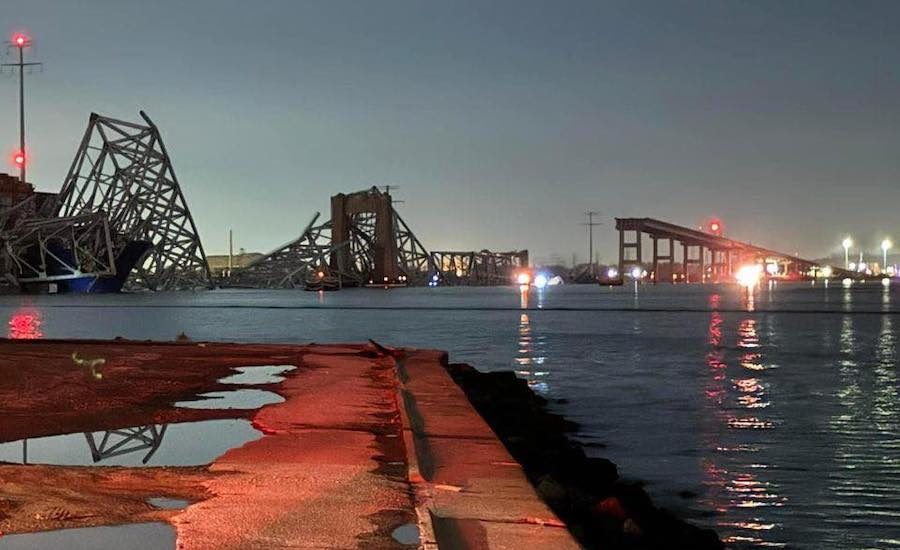
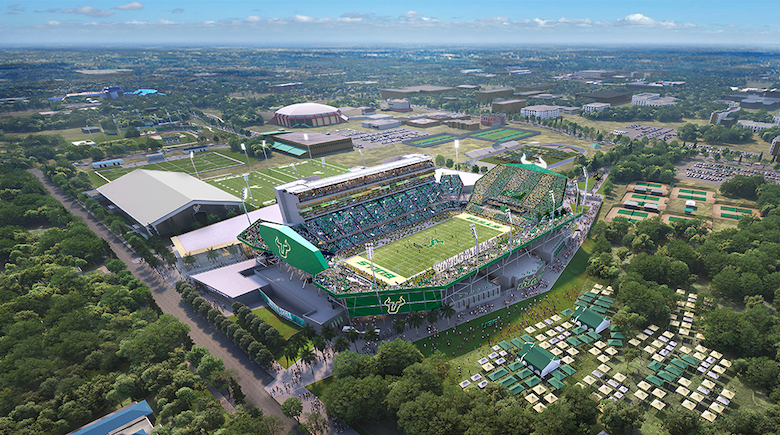
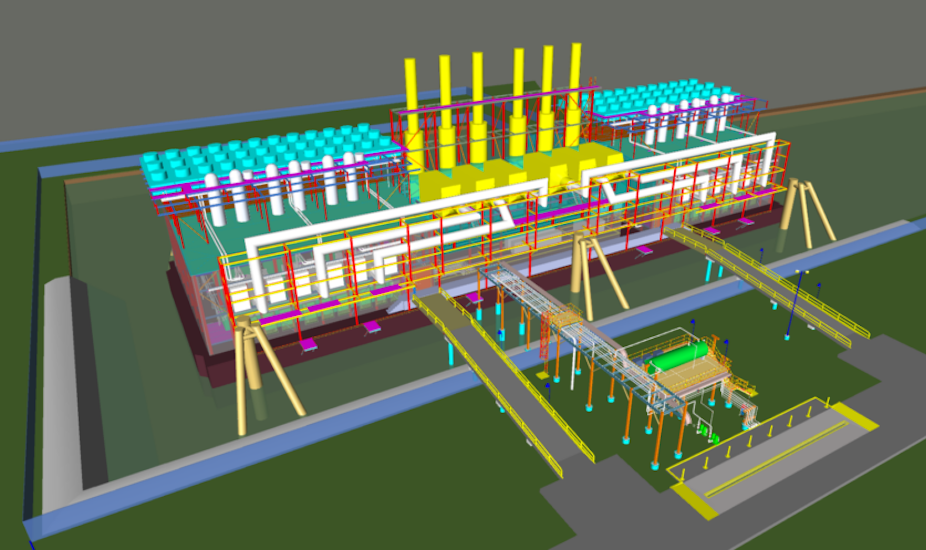
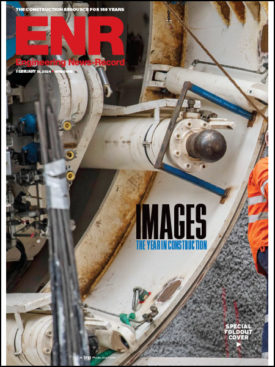
On the following pages is what
we consider the construction industrys private scrapbook,
our annual The Year in Construction feature, an
amalgam of projects and people skillfully photographed and
submitted to the editors of ENR.
Instead of documenting the big
stories of the year, these images often freeze the more private
moments and the personal perspectives on construction. Some
of their subjects have a sweeping grandeur, a majesty and
subliminal power that words never can convey. There is no
surprise in this. Designing and building are everyday activities
that involve the harnessing of rivers, the imagining of inspired
public structures, the taming of gravity, sundering of stone
and the transmutation of steel. That such work could produce
powerful images on an everyday basis is easy to grasp. Whats
harder to reconcile is how the most intense periods of constructionwhen
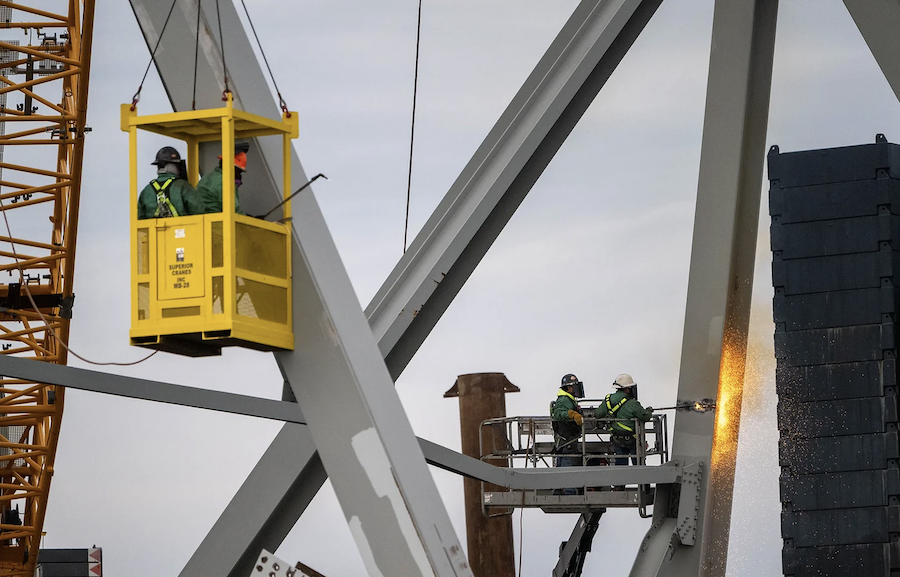
sparks are spewing from the welders torch, or cranes
are flying a bridge section over a rivercan produce
so much beauty before whats being built is even finished.
Not everyone in the industry appreciates such beauty or cares
to put it into words, but architects, engineers and contractors
all touch the result and through it have a special relationship
to soil, water, air, machinery, electricity, concrete, steel
and other project components.
These photos put us back in touch
with the inspirational and lyrical side of building things.
A building frame, illuminated by dozens of lights, can take
on the golden cast of an angel food cake; ironworkers clasping
themselves to steel braces can seem as if they are hanging
onto rocking horses; concrete pumps, shrouded by a blue fog,
can seem like spindly Jurassic monsters feeding in the mist;
bundles of post-tensioning cables can metamorphose into a
tulip bouquet; and the lazy drape of cable sheathing can resemble
the flaccid tentacles of a sea creature.
This year, we requested photos
of people working safely, partly in response to those who
are concerned about what they think are apparent safety violations
in some ENR photos. Still, photographers continued to submit
images showing potential violations. We brought in Bob Magee,
a safety specialist with the Occupational Safety and Health
Administration, to help judge the photos. Ultimately, he helped
us make the tough decision to include a couple of images with
apparent safety violations in the final presentation, such
as the ironworker whose hardhat is turned backward. The reason, part of which is discussed
in the story on photography and safety, is what Magee says
is the deceptive nature of some photos (see p. 26). A photograph
can show a case where a violation is apparent, but not the
full context. Magee says that even dramatic photos of ironworkers
climbing on open steel may not show citable violations without
additional information. And, there remains a proper balance
between photojournalism showing the industry as it actually
is and how safety experts would like to see it. We expect
to hear more from you about it next year. |