|
The
world struggled with issues of terrorism, security, economic
recovery, environment and quality of life in 2003 and construction
was along for the ride, sometimes driving solutions for sticky
problems and other times being dragged reluctantly along.
Global construction needs seemed almost insurmountable when
taken as a whole. Yet when broken down to the local and regional
business that construction is, the many thousands of companies
and millions of people on the job were able to deliver what
project owners wanted and were ready for more.
There were many rocks in the road
that construction traveled in 2003 and the degree of difficulty
in getting through depended largely where you were in the
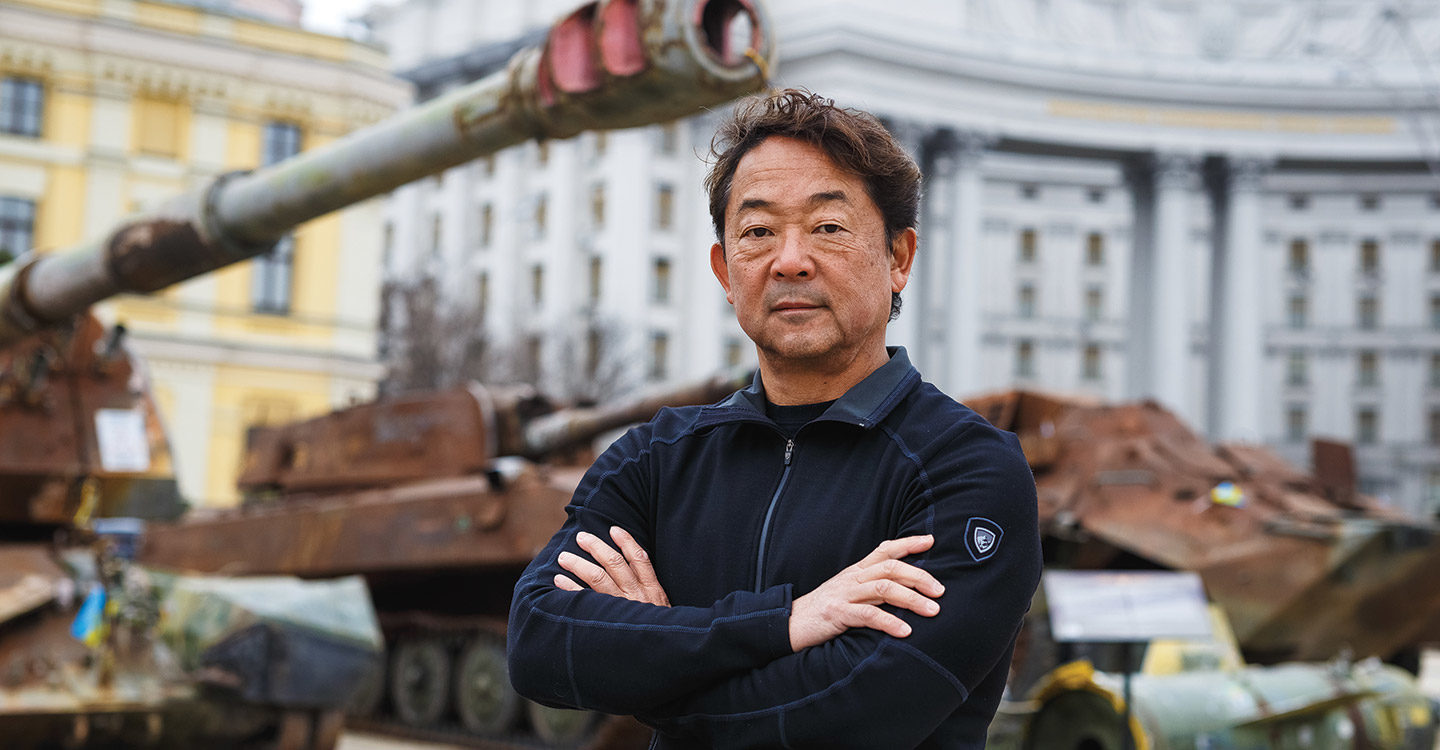
world. The war against terrorism in Iraq and Afghanistan was
the hardest and most dangerous assignment, followed closely
by the subsequent reconstruction efforts there. Engineers
and other construction people did their part, and some made
the supreme sacrifice for their nations, companies and beliefs.
Still, the more ordinary aspects
of construction had their own drama. Blackouts and brownouts
had been pointing to deficiencies in the U.S. power supply
for several years. But only when 50 million people in the
Northeast U.S. lost power in August did power move from being
a commodity to a strategic element of life.
Power supply, roads, bridges, airports,
ports, mass transit, water, wastewaterinfrastructure
projects of all kinds grew in importance, as governments at
all levels struggled to find the money to pay for them. Congress
debated the merits of long-term national transportation and
energy bills with very large dollar numbers, but stalled in
the action phase. But lawmakers and government agencies did
advance the cause of protecting existing infrastructure from
terrorist attack in a year when such tensions were mounting.
In 2003, there finally were signs
that the painful U.S. recession in some private-sector construction
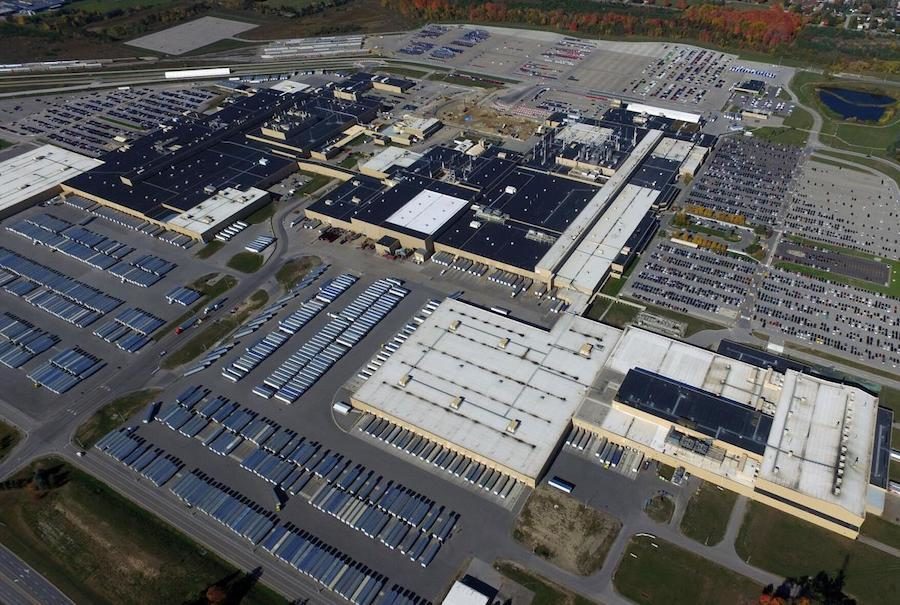
markets might be easing. Manufacturing, industrial and even
commercial buildings showed new life. Like other recoveries,
the rebound is spottysome regions are starting to bustle
and others are shut out. The same was true for other regions
of the world.
Whether the projects that the industry
designed and constructed during the year were public or private,
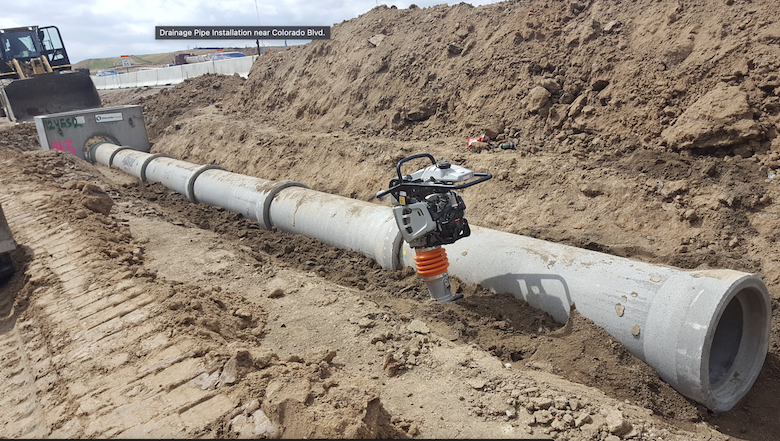
large or small, it still took people on the ground and in
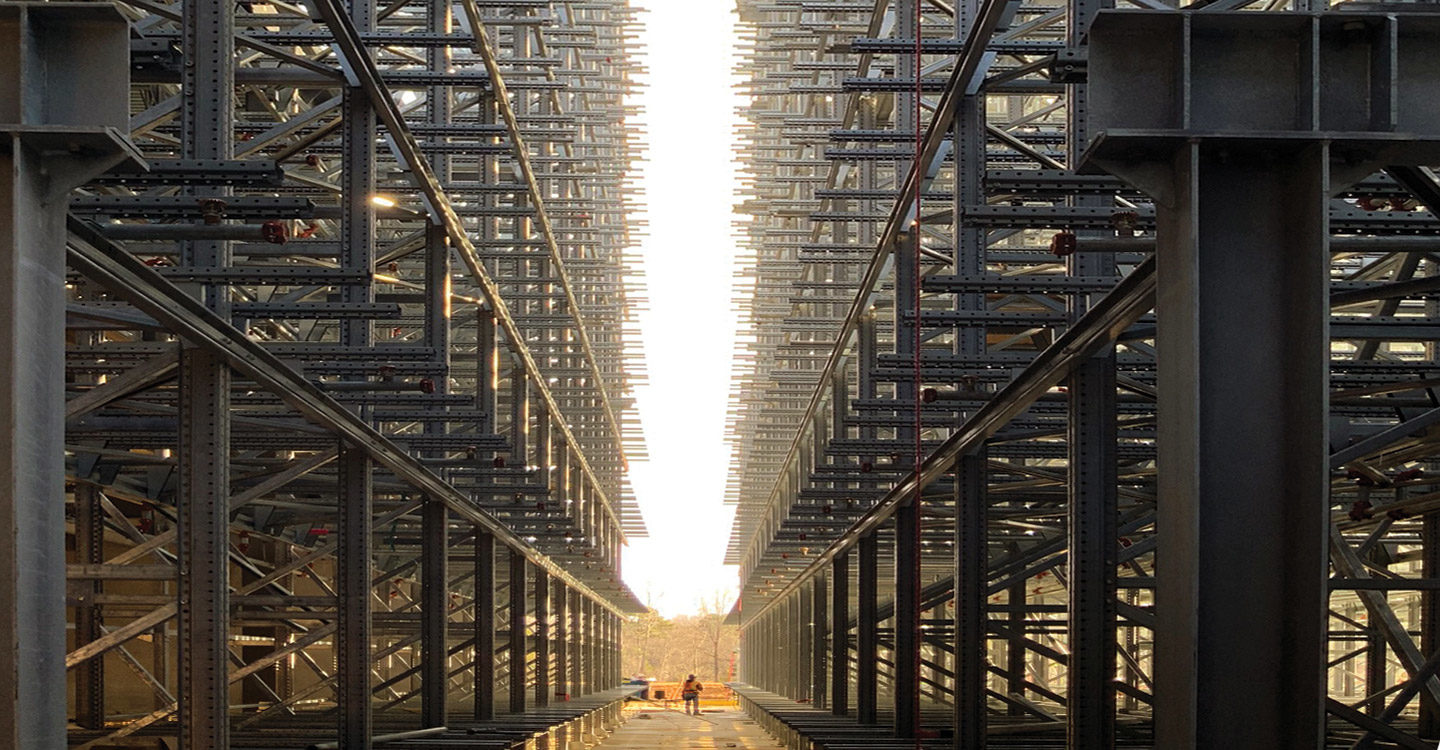
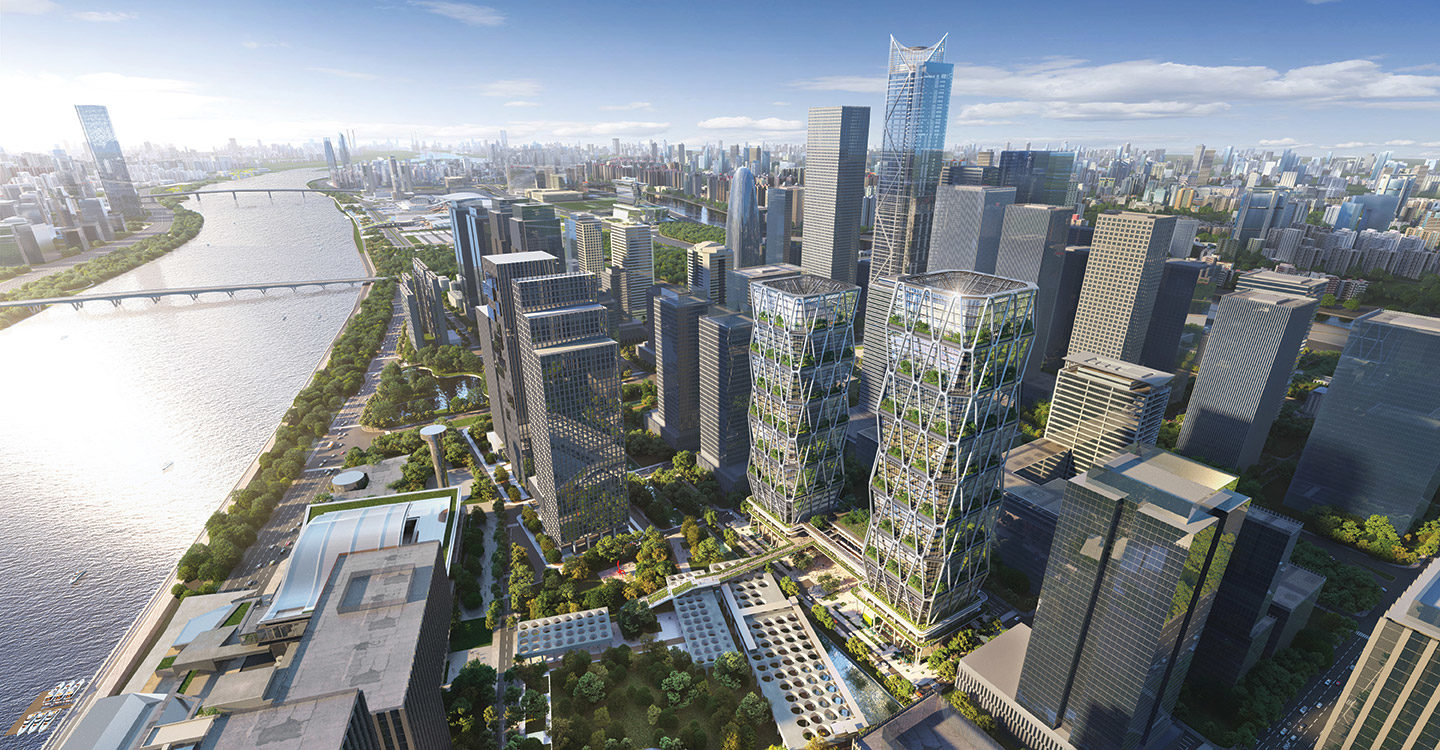
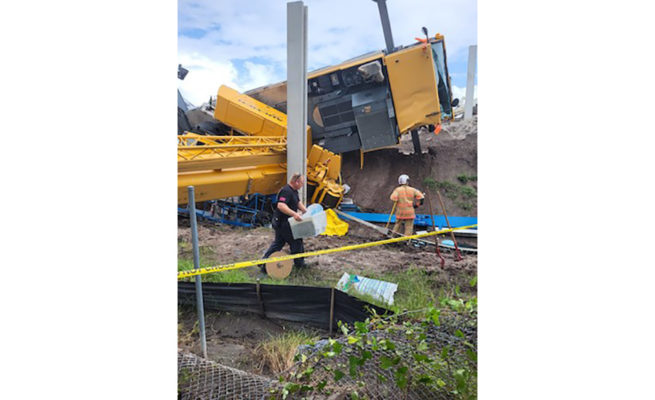
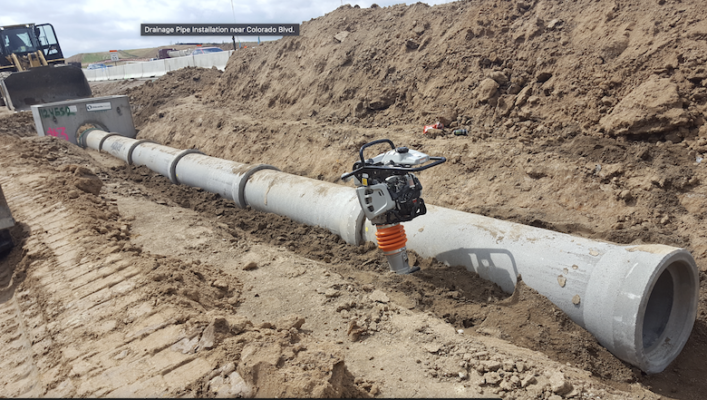
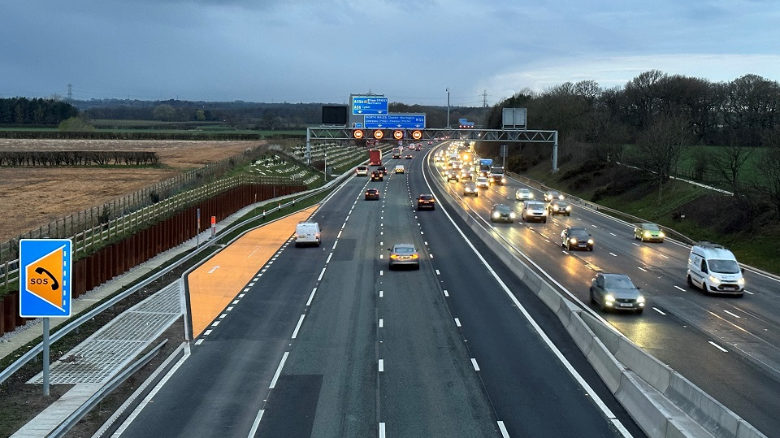
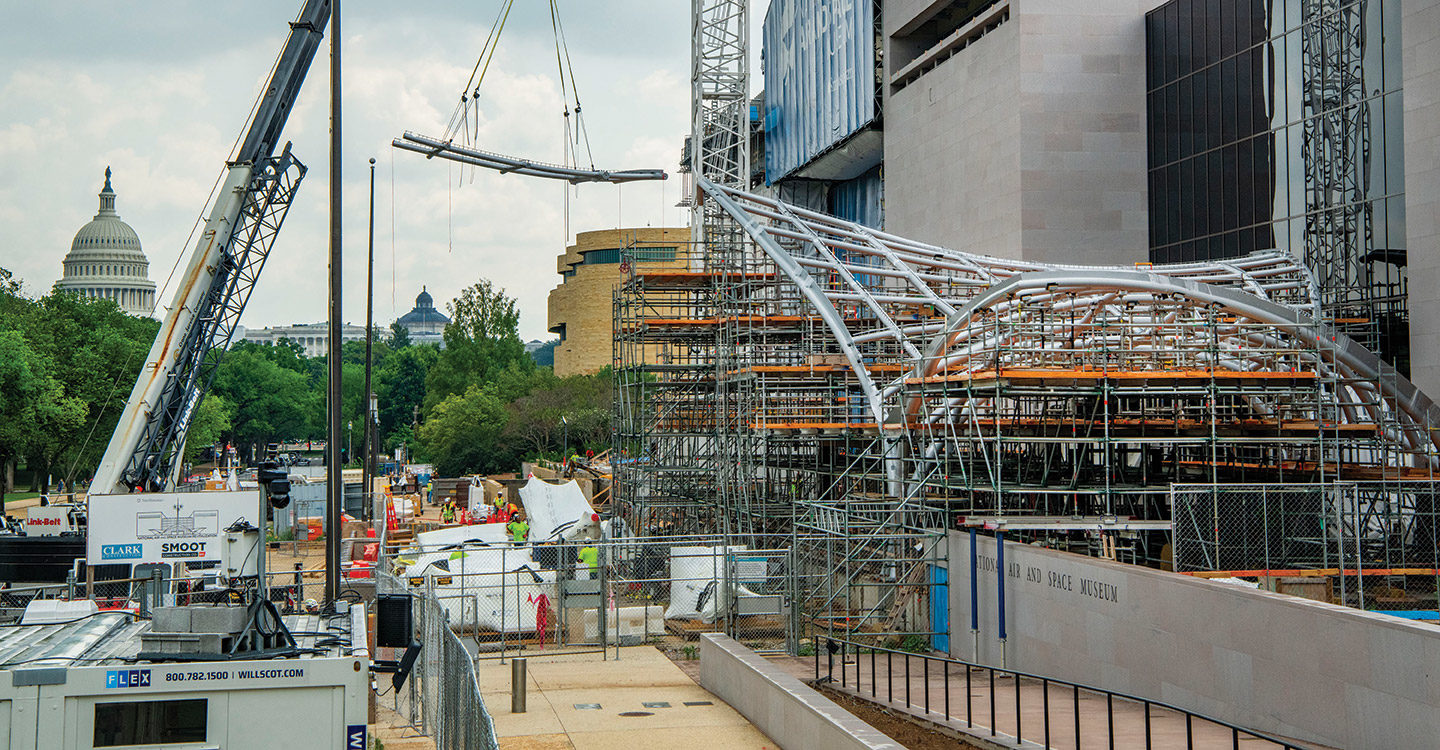
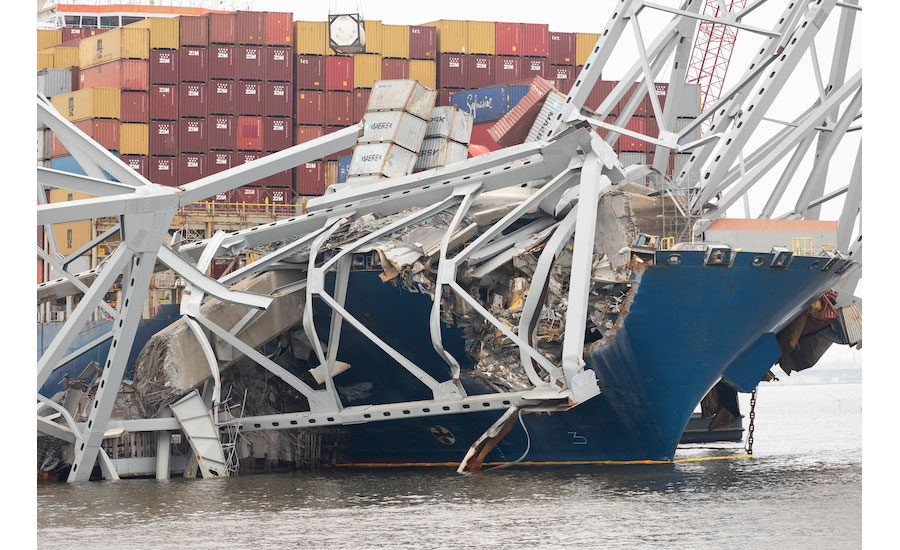
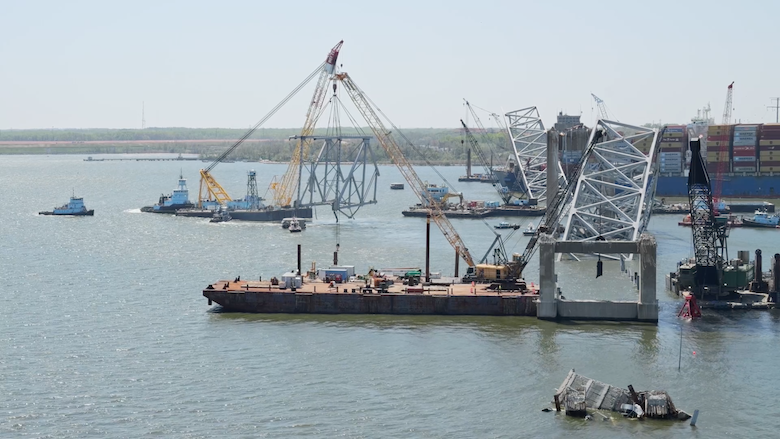
the air to do the work. These pages and the ones that follow
show the industry at its task in 2003.
|