subscribe to ENR magazine subscribe
contact us
advertise
careers careers
events events
FAQ
subscriber login subscriber service
ENR Logo
Subscribe to ENR Magazine for only
$82 a year (includes full web access)

transportation
Q&A
As Dirt Flies and Contracts Are Let, Panama Canal Expansion is Moving
 
By C.J. Schexnayder

Less than a year ago, the Panama Canal Authority (ACP) kicked off the interoceanic connector’s $5.2-billion expansion with a huge underwater explosion and a bit of pomp and circumstance. In reality, the job started almost a year before that when Panamanian voters approved a plan to double the historic waterway’s capacity.

+ click to enlarge
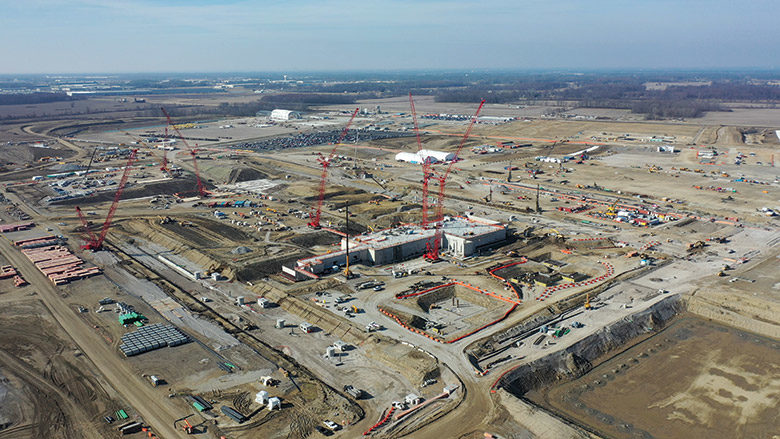
Excavation began last fall on the Pacific side. Locks contract is due by year-end.
Panama Canal Authority
Excavation began last fall on the Pacific side. Locks contract is due by year-end.

Major excavation contracts have been awarded and excavation work is slowly ramping up. The contract for the largest single segment, construction of mega-locks estimated at $3.35 billion, is scheduled to be let this year.

Jorge Quijano, ACP director of maritime operations, spoke to ENR about the progress on the expansion effort and about what’s next.

When did work on the expansion start?

We really started the day after the referendum on Oct. 22 (2006). Until the proposal was approved by the Panamanian voters we had zero moneys allocated for the program. So on Oct. 23 we started working on our budget. The first portion was approved in December and we were able to start putting out the contracts and moving forward.

What were the first steps?

Our first task was to complete the environmental impact assessment required by Panama's environmental agency ANAM. Although we had done a lot of environmental studies preparing the expansion plan, the agency has very specific requirements that have to be addressed.

When did you get that approval?

It was approved by ANAM in November of last year. The agency made several specific recommendations such as bringing on an additional independent environmental auditor but there weren’t any substantial changes to the plan.

Quijano
QUIJANO

The ACP restructured the toll system to finance the expansion. When did that occur?

The toll structure was also initiated immediately after the referendum. Since we had already said the financing would come from the tolls that were set by the customers then we had to go in and make a major proposal which was approved early last year and then put in place.

An external company handled the proposal development. How did that work?

Parsons Brinckerhoff had managed the project for the five years it was being developed and did an excellent job. They oversaw the effort to organize the proposal so it could get approval and pass the referendum. In other words, [they made] sure we had a project that was solid and we could put out there with confidence in the projections and its possibility of success. If we had not done it right we wouldn’t even be here today.

Why didn’t they continue?

To that point, the role of the manager had been for us to prepare the project but the next step would mean managing the execution of the project. That is significantly different in scope that we felt it better to put the job out to bid with a new (Request for Proposal). Of the three bids submitted we felt CH2M Hill provided the best.

When did the inauguration of the expansion project occur?

The actual “turning dirt” got started on September 3 of last year - the official “start” of the job. This was part of a series of dry excavations which will connect the new locks on the Pacific side to the canal itself. The initial contract for work on the canal was a dry excavation awarded in August. We had the second one in November and a third for 6.8 million cubic meters of excavation is set for this summer.

What was the first major contract awarded?

On April 1 we awarded the first major dredging operation to Dredging International—a $177-million contract to remove 9.1 million cubic meters of material on the Pacific entrance to the canal. We will have a second dredging contract for dredging about 14 million from the Atlantic entrance next year.

What portion of the expansion operations will be handled by the canal's own dredging fleet?

The ACP itself will be doing just about 45 percent of the total amount of dredging needed for the expansion, about 23 million cubic meters of material more or less. What we are doing mostly dredging in the canal itself - nothing on either of the ocean entrances.

Why not the entrances themselves?

We don't have enough equipment to do all of the dredging called for with the expansion in the period of time we are looking at. While we have one of the largest dredging operations in Latin America this job was really more than we felt we could handle by ourselves.

What is the next major part of the expansion?

We expect the big-ticket item, the locks, to be ready to award by the end of the year. We have been working with the qualified consortiums for most of the year to help them develop their designs of the new locks.

Why did the consortiums need to qualify to participate?

Because of the size of this contract for of the locks portions of the project we held a prequalification bid. Four consortiums submitted proposals and were accepted in December.

How has their work progressed?

We sent out our original RFP last year but we will probably be making a few amendments over the next couple months. As the consortiums are asking questions about the project, in many cases its better to clarify it by actually amending the RFP. It makes our position completely clear and resolves the issue for all the consortia involved in the bid process.

Why will you need to amend the original proposal?

The RFP establishes the framework within which they have to work and the standard levels we expect for the project. At the same time what we tried to do is through the RFP is to encourage leeway for them to seek alternatives that might improve the designs they are developing. We want them to be able to be as innovative as they can in the framework we can accept and making sure which are the minimum requirements that have to be met to make their proposal conform to our needs. What we don't want to happen is for them to work on these proposals for all these months and have us reject it at the very end because it doesn’t fit with what we are looking for.

What other preparations has the ACP made?

We have already started building our field offices next to sites where the actual construction will take place. For now they are making sure we have access roads and we have delimited the areas where they will be working. There is also a massive effort in training being done in coordination with the government of Panama. We began that effort about a year ago. Having the trained personnel on hand is critical for the success of the expansion effort and some of these guys have already been hired as personnel on the dry excavation efforts and other parts of the preparation work.


----- Advertising -----
  Blogs: ENR Staff   Blogs: Other Voices  
Critical Path: ENR's editors and bloggers deliver their insights, opinions, cool-headed analysis and hot-headed rantings
Other Voices: Highly opinionated industry observers offer commentary from around he world.
Featured Video
Advertising Opportunities
Global Sourcebook Global Sourcebook

• December 28 Issue
• December 7 Ad Close

Stay top of mind in print and online to the owners, engineers and contractors you need to reach.
Get connected today by contacting your account manager, call: 800-458-3842 or