As first new nuclear construction gets under way, quality and training issues are being worked out.
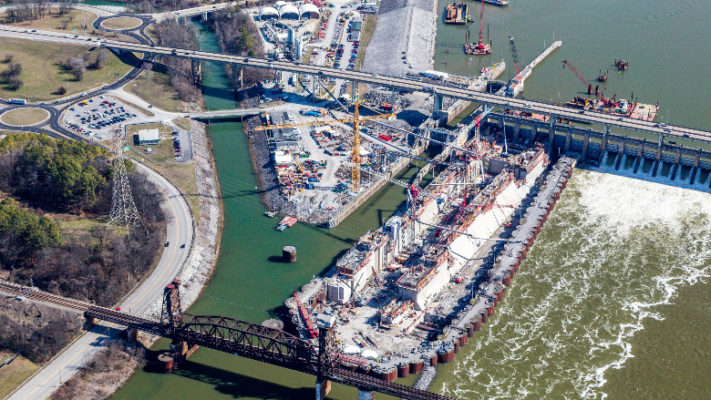
A year into construction, the $4.8-billion Mixed Oxide Fuel Fabrication Facility being built by Shaw Areva MOX Services LLC for the federal government in Aiken, S.C., is surrounded by controversy and calls to halt construction. Work remains on schedule in spite of reductions in funding from Congress and struggles to find qualified nuclear workers and materials, says Clay Ramsey, the federal project director for the facility.
The MOX plant is being built to annually process 3.5 tonnes of weapons-grade plutonium into fuel that can be used in commercial nuclear power reactors. Construction began in August 2007 and the plant is scheduled to be operational in 2016. The facility is a result of an agreement with Russia to reduce nuclear weapon stockpiles. However, Russia’s efforts have been stalled for lack of funding and program revisions.
Shaw Areva is 70% owned by Baton Rouge, La.-based Shaw Group and 30% owned by Paris, France-based Areva. The group has a three-phase contract with the government to design, construct and test the facility, operate it for 20 years and then demolish it in the mid-2030s, Ramsey says. DOE and Shaw Areva signed the final agreement in May.
Shaw Areva MOX Services LLC
MOX plant construction is only one year into a nine-year schedule.
About $1 billion has been spent on the project, most of it on design. Duke Energy Corp., Charlotte, N.C., has agreed to pay $100 million a year for fuel for four of its reactors. The government will seek buyers for fuel for two more reactors later this year, Ramsey says. Sale of the fuel will not pay for the facilities’ construction or operation.
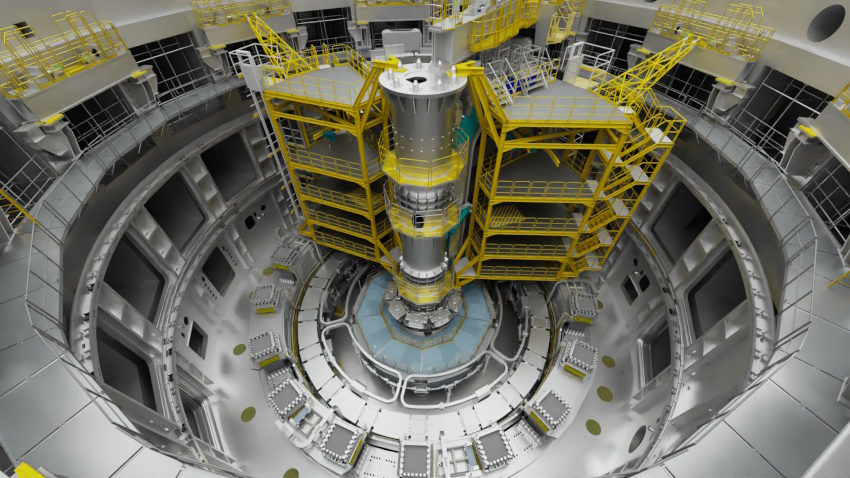
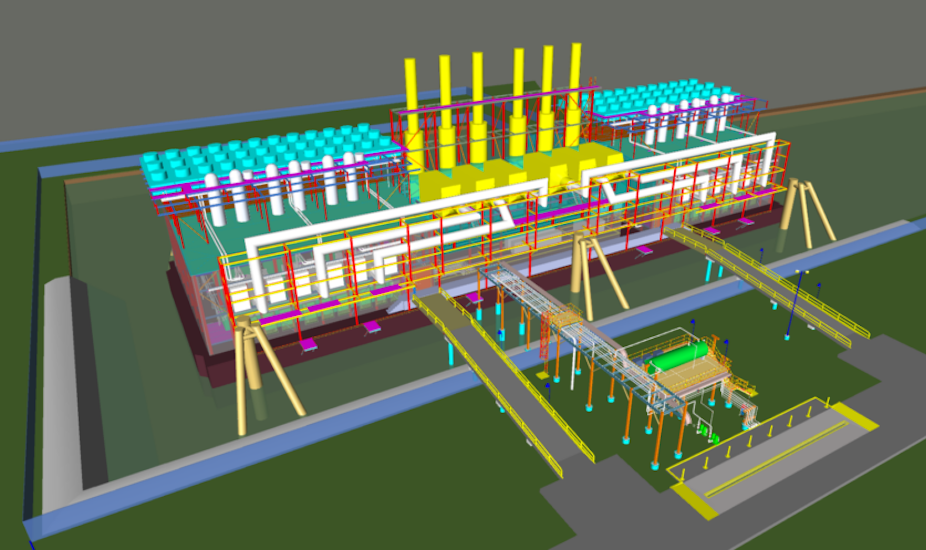
Design of the seven-story, 500,000- sq-ft building is based largely on Areva’s La Hague and Melox fuel-treatment facilities in France with modifications for “lessons learned,” Ramsey says. MOX fuel has been used in Europe for more than 20 years, but this is the first time weapons-grade plutonium will be used to make the fuel.
As the first anniversary of construction was being celebrated in August a new controversy over fuel arose. MOX fuel rods produced by Areva in France with the weapons-grade material being tested at Duke’s Catawba Nuclear Station, Clover, S.C., showed an abnormal elongation after a second fuel cycle. Testing for three fuel cycles over four years was planned. The rods were pulled out for examination.
Shaw Areva MOX Services LLC
Contractor’s QA/QC inspectors caught rebar that didn’t meet nuclear standard.
The abnormality led the Union of Concerned Scientists and Friends of the Earth to demand a halt to construction of the MOX plant. UCS says it would be cheaper and safer to encase the plutonium in glass. Ramsey says so far, testing shows that there’s “nothing weird going on,” with the test fuel.
UCS has previously criticized DOE for moving ahead with the project without sharing the plant’s plans with the International Atomic Energy Agency, which UCS says could provide more safeguards for the material.
More problematic is that Shaw-Areva has had difficulty in lining up suppliers and engineers familiar with nuclear construction. The problem was highlighted in February when quality assurance inspectors found rebar manufactured by Energy and Process Corp., Tucker, Ga., had a bend radius below the minimum specified by the American Concrete Institute for nuclear construction. A small amount used in construction was deemed safe and left in place. The remaining 1,000 tons of rebar was returned at the supplier’s expense, Ramsey says. Shaw-Areva officials could not be reached for comment.
Shaw Areva MOX Services LLC
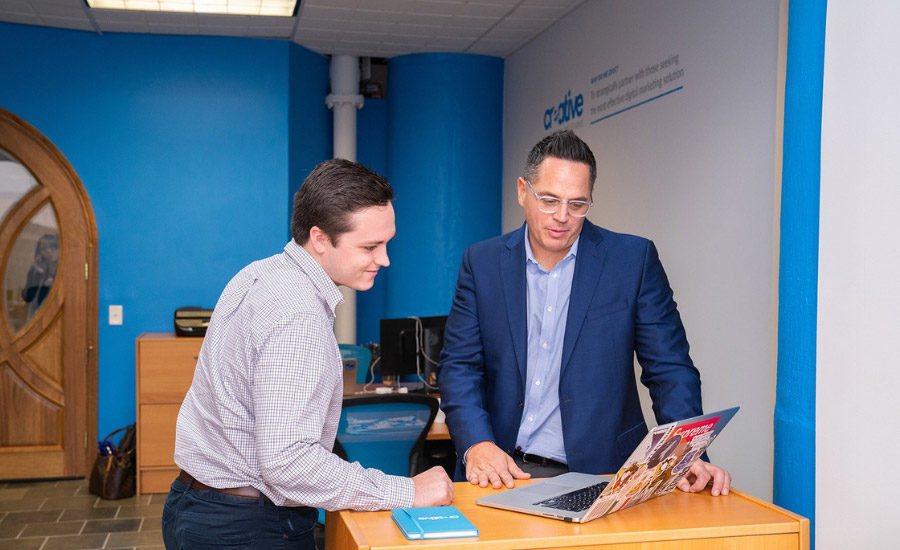
Shaw Areva’s MOX Gateway program aims to build a new nuclear work force.
That the contractor discovered the problem is good news, says David Macintyre, Nuclear Regulatory Commission spokesman. “This is what the system is supposed to do.”
MOX Services upped its contingent of quality-assurance inspectors at the site and is working to recruit and train suppliers that aren’t familiar with nuclear standards. “It’s going to take some effort up front to teach them,” Ramsey says.
The same could be said of engineers and other workers at the site. Earlier this year Shaw-Areva decided to hire the majority of its workers out of school and use experienced nuclear safety workers and engineers to train them.
The program, called MOX Gateway, will result in a “younger, more energetic workforce,” Ramsey says. “They’ll be here for the longer term.”
And as an added benefit, after construction of the MOX plant is completed, Shaw will be able to use those trained and by then experienced workers as it sets off to win construction contracts for new U.S. nuclear units.
Just Released The McGraw-Hill Construction Outlook 2009 is the industry’s highly respected and most closely watched outlook for the year ahead. Get all the information needed to plan for 2009 and beyond.