subscribe to ENR magazine subscribe
contact us
advertise
careers careers
events events
FAQ
subscriber login subscriber service
ENR Logo
Subscribe to ENR Magazine for only
$82 a year (includes full web access)

power & industrial
RESEARCH
Dutch Look Offshore For Innovative Hydro Scheme
 
By Peter Reina
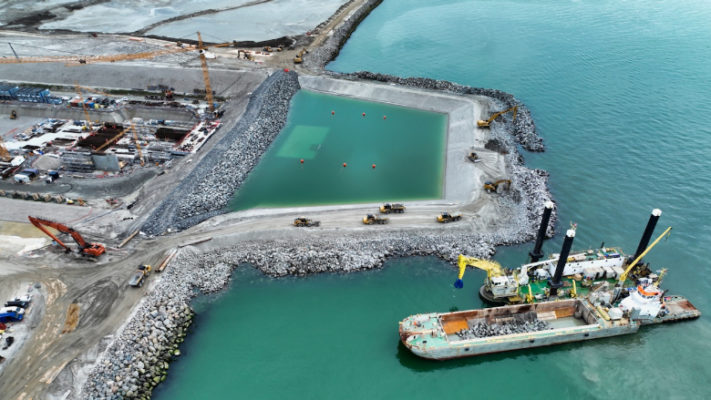
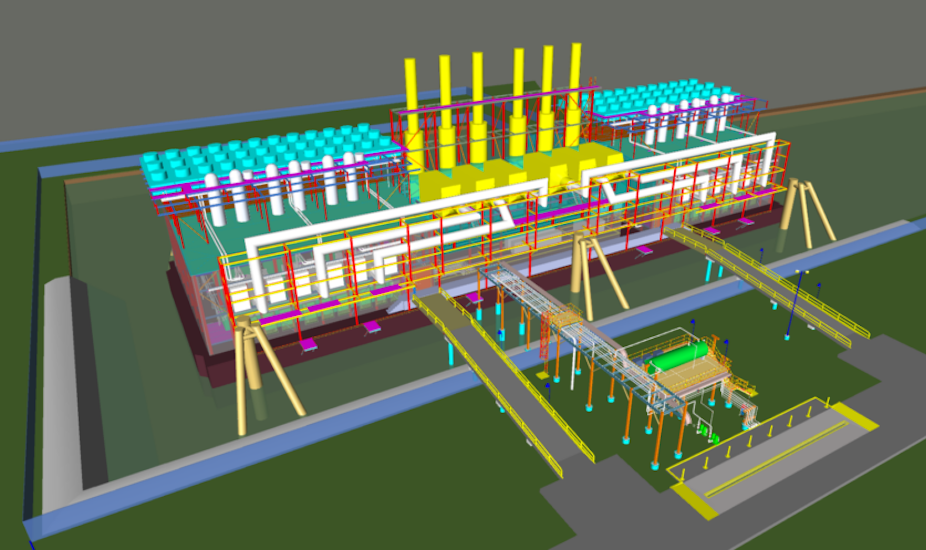
Energy Island.Reservoir for pumped-storage project would be dredged from within island
Lievense/Kema
Reservoir for pumped-storage project would be dredged from within island.

Dutch engineers are developing an electricity pumped-storage scheme that will use the North Sea as the upper reservoir, avoiding environmental objections to onshore dikes. After desktop studies convinced them an energy island is viable, they are now looking for serious money for more detailed investigations.

Conventional pumped-storage plants use surplus power to pump water to a higher level, releasing it through turbines when electricity is needed. But instead of building an upper storage lake, the Dutch would encircle 40 sq kilometers of sea with dikes and dredge the bed within to create a lower reservoir. Excess energy from wind turbines would pump seawater out of the reservoir. When the wind doesn’t blow, water would flow back to the reservoir through turbines.

For a 1,500-MW plant, water-level difference on either side of the dike would range from 32 m to 40 m, says Albert Quist, project manger with design firm Bureau Lievense, Breda. Lievense is handling the island’s engineering studies while partner firm Kema N.V., Arnhem, deals with energy economics.

The estimated $3.5-billion project would entail dredging to 50 m below the seabed. To prevent blow out of the excavation, its base would need some 40 m of sound clay beneath. Quist says the southern Dutch coast has plenty of that.

Studies by Lievense into onshore pumped storage in the Netherlands started 30 years ago when a big nuclear program created interest in storing base-load power, says Quist. But the plan flopped and the need for 75-m-high dikes for a storage reservoir drew protests.

This time, the requirement to modulate power from prospective wind-power projects is motivating the engineers. Go­ing offshore, they hope, will be less objectionable. The growth in energy trading also boosted interest in storage. “Power companies see there is a lot of money to be earned in buying energy in cheaper hours and storing it,” says Quist.


----- Advertising -----

 
----- Advertising -----
  Blogs: ENR Staff   Blogs: Other Voices  
Critical Path: ENR's editors and bloggers deliver their insights, opinions, cool-headed analysis and hot-headed rantings
Other Voices: Highly opinionated industry observers offer commentary from around he world.
Reader Photos
Photos from ENR Jobsite Photo Showcase