subscribe to ENR magazine subscribe
contact us
advertise
careers careers
events events
FAQ
subscriber login subscriber service
ENR Logo
Subscribe to ENR Magazine for only
$82 a year (includes full web access)

power & industrial
CLEAN COAL
First Commercial Operation Seen for Coal-to-Liquid Plant
 
By Thomas F. Armistead
Rentech Inc.
Fischer-Tropsch technology will change East Dubuque plant’s feedstock to coal.

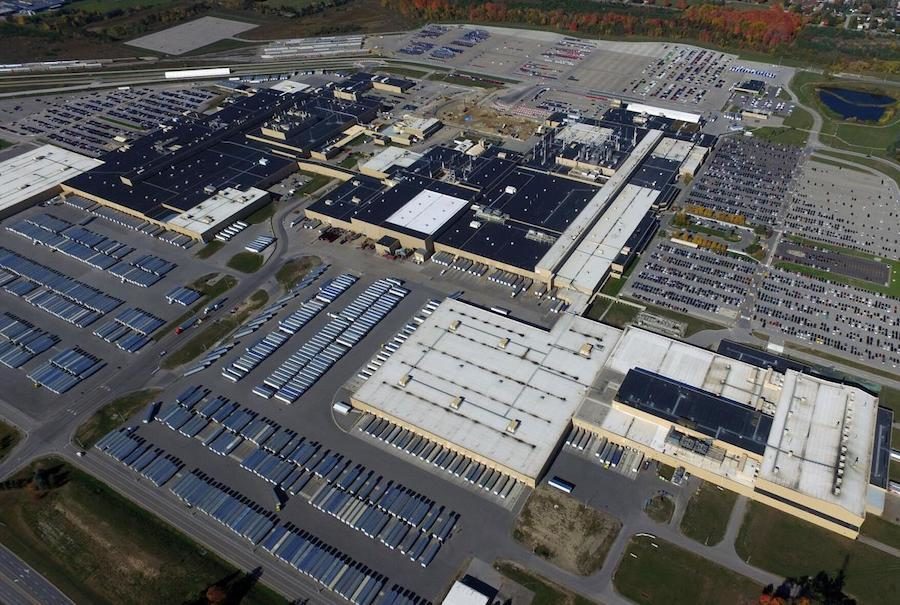
A plant now producing nitrogen-based fertilizer products and industrial nitrogen from natural gas this year will begin converting to produce diesel fuel and ammonia products from low-sulfur Illinois coal. Its technology will be a proprietary version of a coal-to-liquids technology first proved in 1923. The owner believes it will be the first U.S. commercial-scale application of the technology, known as Fischer-Tropsch synthesis (FT).

Front-end engineering design (FEED) by the Houston office of WorleyParsons Ltd. began in June and will be completed in October for the project’s first phase. “We’ll be ready to go to financing and [engineer-procure-construct] contracting in October,” says Charles Lankford, vice president engineering and construction for Rentech Inc., Los Angeles. “We’re working from a short list to negotiate for an EPC contractor,” adds Doug Miller, Rentech COO. Sitework and long-lead procurement will begin this summer. Completion of the project in East Dubuque, Ill., is scheduled in 30 to 36 months.

+ click to enlarge

Construction will proceed in three stages, with two of them being done concurrently, probably under a single contract, says Miller. Phase 1, estimated at $500 million, will consist of construction of two ConocoPhillips gasifiers, with each having the capacity to convert 5,200 tons per day of low-sulfur coal to synthesis gas (syngas). It will include rail infrastructure, coal-handling facilities, gas cleanup, a revamp of the plant’s ammonia process and a 70-MW steam-turbine powerplant for auxiliary load coverage driven by steam from the gasifier. This plant will sell its syngas to the plant to be concurrently built under Phase 1A. That will be a 2,000-barrel-per-day FT unit to produce liquid fuel and naphtha, estimated at $60 million to $70 million.

Phase 2 will install a third 5,200-tpd gasifier and raise the plant’s liquid-fuel output to 7,000 barrels per day total for an installed cost of $200 million. Work is not being done on Phase 2 now, but “we’d like to roll right from Phase 1 into Phase 2,” says Miller.

Phase 1 will be equity-financed but Rentech will seek outside financing for Phase 1A to mitigate technology risk, says Miller. The FT technology is long established, but only Nazi Germany and South Africa during the apartheid sanctions relied on it extensively because of its cost. The process consists essentially of converting carbon monoxide and hydrogen mixtures to liquid hydrocarbons over a transition metal catalyst.

Rentech calls its fuel product “ultraclean” because it will have non-detectable levels of sulfur, says Miller. It also has high cetane, a measure of combustibility for diesel engines, of 70 compared to petrodiesel’s 42 to 43. Its characteristics “result in significant reduction of all regulated emissions,” says Miller. He expects the fuel to command a premium because of them, but “our economics assume that we get paid rack diesel prices,” he says.

But synfuel is a costly, emission-laden diversion from the priority of reducing dependence on fossil fuel, says Don MacKenzie, an engineer at the Union of Concerned Scientists, Washington, D.C. “Coal is a much more carbon-heavy fuel than petroleum,” and the carbon in synfuel eventually exits tailpipes as carbon dioxide, he notes. Instead of trying to develop cleaner carbon-based fuel, the country should be trying to increase the fuel efficiency of its vehicles, he insists. “Reliance on silver bullets is what’s gotten us where we are today.”


----- Advertising -----

 
----- Advertising -----
  Blogs: ENR Staff   Blogs: Other Voices  
Critical Path: ENR's editors and bloggers deliver their insights, opinions, cool-headed analysis and hot-headed rantings
Other Voices: Highly opinionated industry observers offer commentary from around he world.
Reader Photos
Photos from ENR Jobsite Photo Showcase