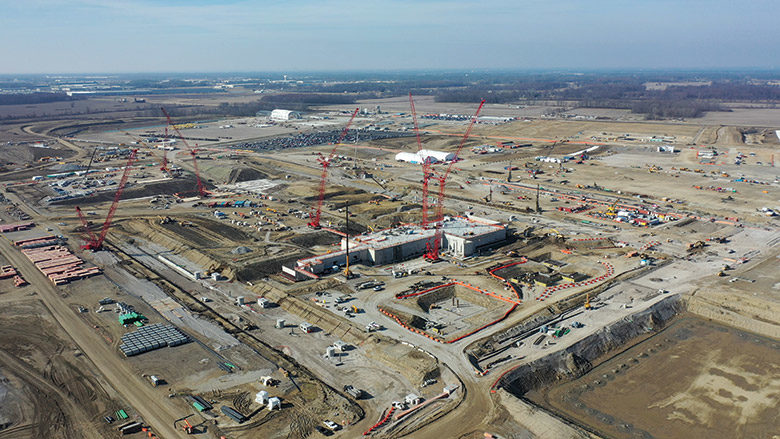
An economic downturn prompted Boyd Gaming Corp. to put the brakes on its $4.8-billion Echelon Las Vegas megaresort development in August. The move, whatever its immediate financial benefits, creates myriad issues that must be resolved before first putting the project into park for a year. Decisions must be made on what to do with site-specific equipment, including tower cranes, man hoists and concrete batch plants. Many machines are large and costly and take time to set up and disassemble.
Tony Illia / ENR
Echelon Las Vegas owner must decide what to do with expensive equipment and renegotiate contracts before the job can be locked up for construction hiatus.
"The first decisions were the safety and security of the site,” says Ron Frye, Boyd’s vice president of construction. "A portion of the [concrete floor] slabs had to be poured, and a stabilization review was conducted of the structures in place.”
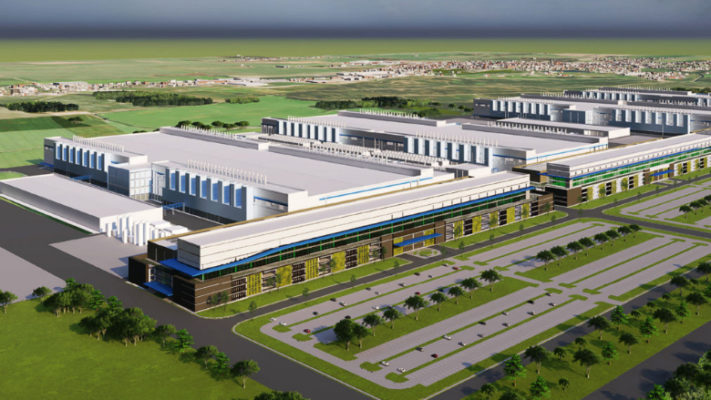
Echelon is a massive 12-million-sq-ft undertaking consisting of eight buildings on 87 acres along Las Vegas Boulevard. The project cannot simply stop on a dime after a year’s worth of work. It was already 12 stories complete when construction ground to a halt this summer. Boyd has spent $500 million on construction thus far, but that amount is expected to change during its third-quarter earnings report, company officials confirm. Boyd has opted to buy out existing contracts for worked performed and renegotiate fixed-term deals when works resumes in a year.
"What we did is negotiate with every contractor on the site,” says Bill Stanton, an executive vice president with Tishman Construction of Nevada, the job’s construction manager. "We were directed to pay the money due pursuant to the contract including a nominal close-out cost.”
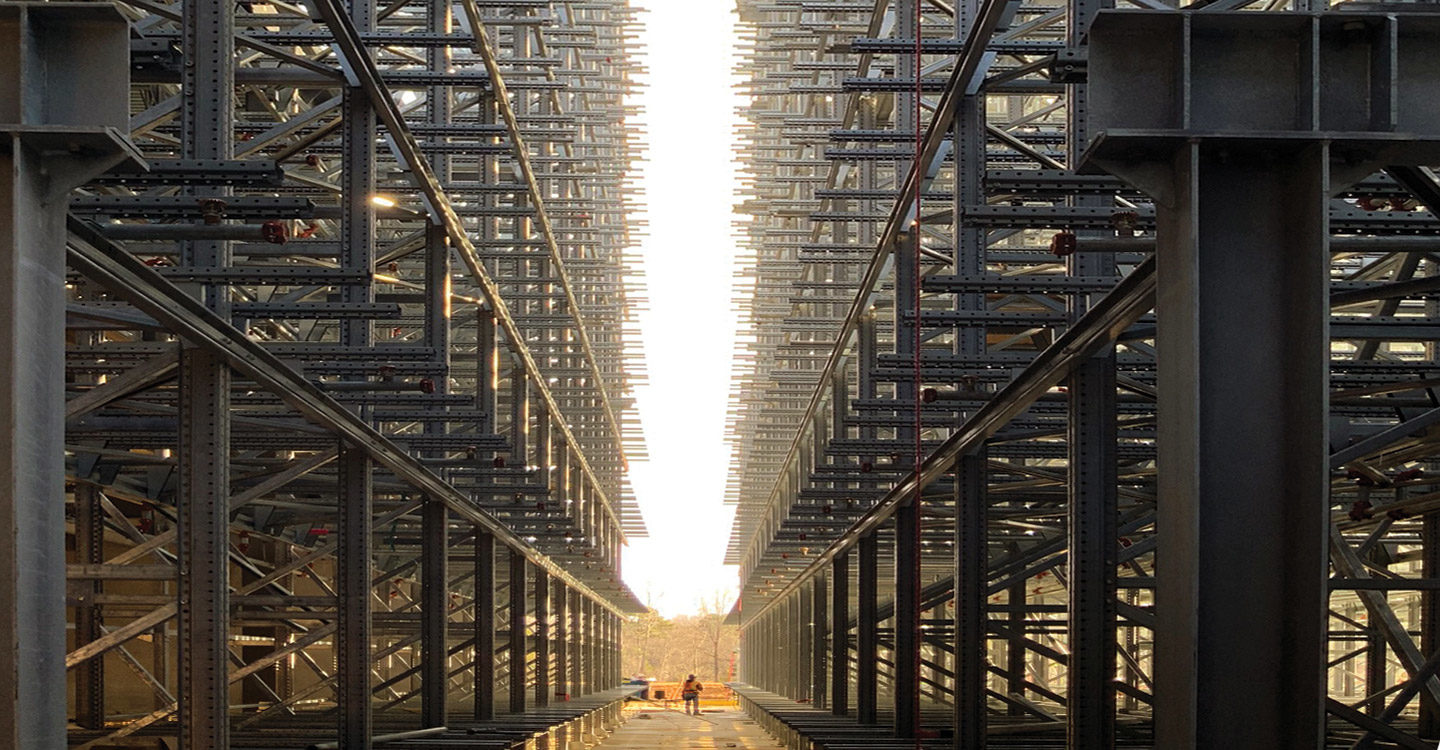
Three of the project’s hotels share the same tri-wing cast-in-place superstructure. They were being built simultaneously using five Linden Comansa, 21LC400 model flat-top modular tower cranes, which were needed to reach across its 600-ft-long footprint. The 4-million-sq-ft tower additionally uses six dual-car Alimak Scando 650s man and material hoists, each with a 7,100-lb capacity. Boyd decided it was "more cost effective” to let the cranes and man-lifts sit dormant on-site for the next year rather than move and reassemble them again, says Frye. The owner is paying for 24-hour security to guard the site against vandalism and theft.
"The problems are multiplied when the systems are rented,” says Marc Furman, administrative assistant for the Southwest Regional Council of Carpenters. "[Boyd] has to make decisions on whether to continue renting them or send them back.”
Boyd, for instance, is storing high-value equipment items like copper wire, air handlers, escalator equipment and glazing offsite in five rented warehouses with total storage space of 150,000 sq ft, Frye says. Echelon was to hire up to 5,000 craft workers during peak construction but the work stoppage put 800 trade workers immediately out of work.
"Most people we had working there went to work at other jobs,” says Tommy White, secretary-treasurer of Laborers Union Local 872, who notes those same people may not be available when work resumes in the future. "Some of the contractors were actually glad when that job was suspended,” he says. "Echelon had some good tight crews.”
Smaller mobile pieces of equipment have been returned. But Nevada Ready Mix Inc., Las Vegas, had erected a 300-cu-yd-per-hour batch plant on-site to produce the project’s 700,000 cu yd of concrete. It has since decided to keep the plant at Echelon and run it for other nearby deliveries in order to keep it operating and mechanically sound.
"It’s an expensive proposition,” Furman says. "You have to renegotiate with people that were fabricating material that was ordered. You are going to start back in a year-plus, and the market is going to be different. Who knows what the financing costs will be?”