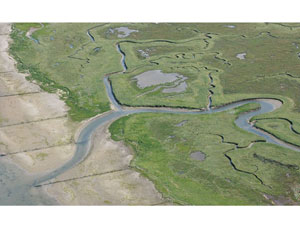
For centuries the Dutch took land from the sea by trapping sediment on tidal flats, diking polders and continuously pumping with windmills to dry the land. Now, faced with a need to bolster a 32-km, sea-facing dike built in the 1930s that turned the IJselmeer into Lake IJsel, an Amersfoort, Nl-based consulting firm, DVH, is proposing a return to old ways: Instead of breaking out heavy machinery and adding width and height to the dike to guard against sea-level rise, it proposes weaving traditional snags of willow reeds on tidal flats to trap sediment on the sea side of the wall to grow the land. DVH is working to launch a pilot project to export the idea to Louisiana.
Building With Nature by Weaving Defenses


Post a comment to this article
Report Abusive Comment