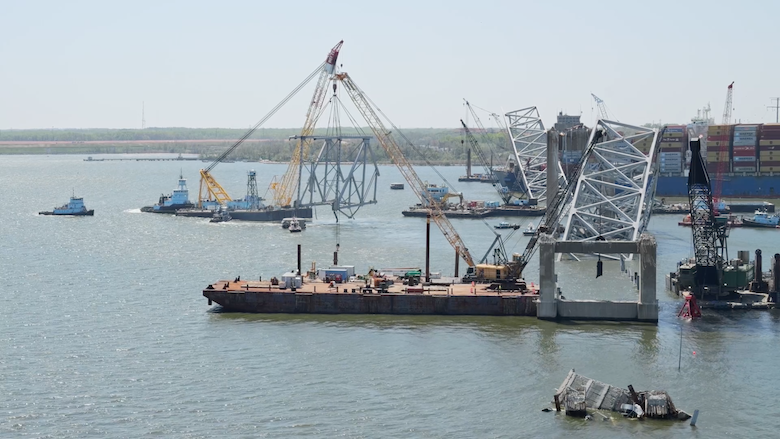
 ENR Podcast: Barritt Lovelace on How Technology Meets History Via a Bridge Digital Twin

Most Popular






Companies

Sponsored Content
Sponsored Content is a special paid section where industry companies provide high quality, objective, non-commercial content around topics of interest to the ENR audience. All Sponsored Content is supplied by the advertising company and any opinions expressed in this article are those of the author and not necessarily reflect the views of ENR or its parent company, BNP Media. Interested in participating in our Sponsored Content section? Contact your local rep!
close

Subscribe to ENR UNLIMITED for Full Access Today!
ENR Critical Path Podcast
More PodcastsEvents
More Events-
05May
Groundbreaking Women in Construction Conference
San Diego, CA -
22May
-
03Jun
ENR FutureTech
San Diego, CA